
ISAIAH PROFILE: A PROPHET WHO SPEAKS OF AN ‘ULTIMATE’ SERVANT.
Prophets in Israel were persons who proclaimed and interpreted the actions of God in the events of history. The first verse of this book(Isaiah) names its author as Isaiah. The name ‘Isaiah’ means ‘Yahweh is Salvation.’ The prophet states that he prophesied during the reigns of ‘Uzziah, Jotham, Ahaz, and Hezekiah, kings of Judah’ (Isaiah 1:1). He was a counselor of these kings from 740-680 B.C.
Isaiah ben Amoz was a man who lived in Jerusalem and had a prophetic ministry. He was a bold man who saw the wickedness in his city and saw how the Lord felt about it. He walked near and obediently to the Lord. He knew God’s justice but he also knew God’s grace. He was married to a prophetess and had at least two sons. Their names spoke of the intent of God: one was named Mahershalal-hash-baz, which means ‘quick to the plunder, haste to the spoil’ which bespeaks the certainty of coming judgment; the other is Shear-Jashub which means ‘a remnant will return’ which speaks of future hope.
Knowing God’s justice and grace, he was able to go before the people and speak the words of God. God spoke through him words of judgment and grace for the near future and for further into the future. At the time of the writing of Isaiah, he was already acknowledged as a prophet, so what he had spoken earlier had already come to pass. So his words about judgment and impending exile for Jerusalem were probably considered by many to be taken seriously but ignored by many. He was a man who was aware about the happenings of his day, politically and sociologically. The sin he saw produced a broken spirit in him.
He wasn’t afraid to speak God’s words because Isaiah knew Him as having spoken with power and authority in the past; so he knew He could be believed when He was speaking about the future. Today, people like Isaiah are called ‘doom’ prophets or ‘hell and brimstone’ preachers. They are not well-honored and in their majority the people ‘poo-poo’ them. They have to stand strong in their knowledge of God and find other like-minded believers to stand by them. Only when their spoken words as given by the Lord come to pass, are they heeded by more people; still most of the time they are still not respected and tend to see judgment as just cursed caused by the devil or by people who hate them.
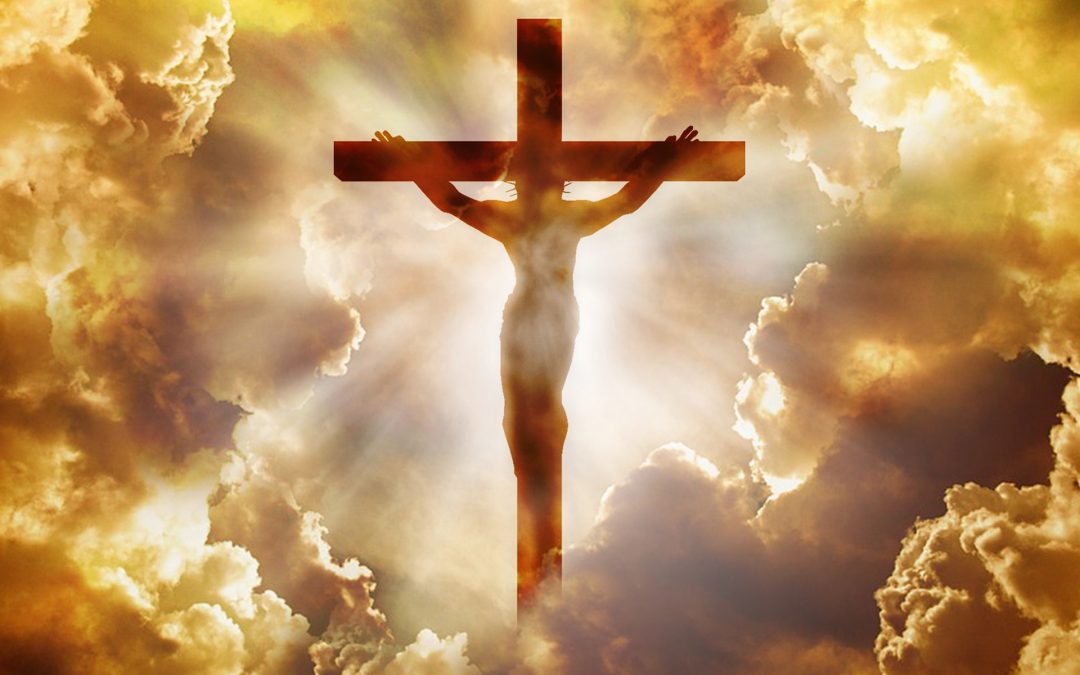
Isaiah really was not much different; even though he prophesied the exile and a later return of a remnant of Israel, the people kept on their evil; even the remnant who was supposed to have been left over by the grace of God kept on sinning and really this Israel couldn’t become a blessing to the nations. The difference between then and today is that the Messiah, the ‘ultimate’ suffering servant, has already come and He is the only truly righteous servant who could bear the awful load of atoning for the sins of the world. The remnant left after the exile wasn’t a pure people, an Israel wholly faithful to the commands of God. While Jesus became the remnant of One who is totally pure and wholly faithful, those who believe in Him whether Jew or Gentile.
Isaiah was a man with a broken spirit that felt the heartbeat of his nation, as a people lost in their sin, and people who couldn’t feel the heartbeat of God towards them. On the other hand, Isaiah could understand God very well: He loved His people so much that He wanted to purge the nation from sin in order to bring blessings to them. God knew even after judgment they wouldn’t become wholly faithful to Him, so even through Isaiah He already speaks of an ‘ultimate’ Servant, Messiah, who would redeem humankind because He alone would be completely righteous. Today anyone in any nation can receive Jesus Christ as his/her Savior and become part of His flock that receives the kingdom of God if they only believe in Him!
Read book of Isaiah!
ISAIAH CALLED TO BE A PROPHET
“In the year that King Uzziah died,
I saw the Lord sitting on a throne,
High and lifted up,
And the train of His robe filled the temple…
The whole earth is full of His glory!” Isaiah 6:1,3.
NOTES
Jon Huntzinger, Old Testament II, (TKU.edu : Van Nuys,CA 2004).
0 Comments